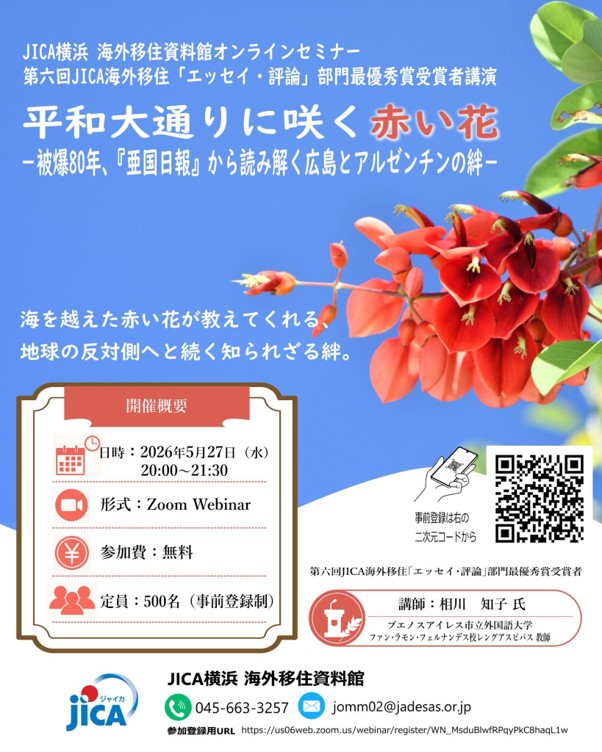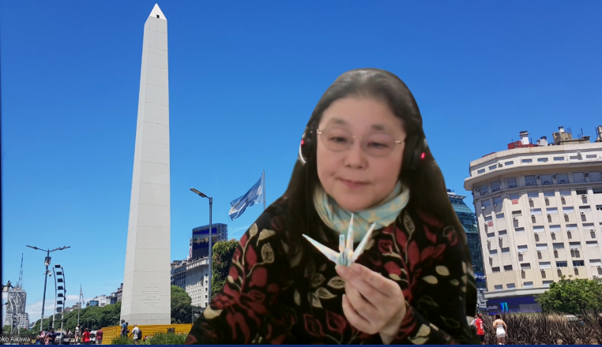
On Wednesday, May 27, 2026, at 8:00 p.m. Japan time, an online seminar was held by the Japanese Overseas Migration Museum of JICA Yokohama. Tomoko Aikawa delivered a lecture titled “The Red Flower Blooming on Peace Boulevard: 80 Years Since the Atomic Bombing and the Ties Between Hiroshima and Argentina through the Akoku Nippo.”, moderated by Mr. Takao Mizukami of the Japanese Overseas Migration Museum, operated under contract by The Association of Nikkei & Japanese Abroad.
The seminar was based on Aikawa’s work of the same title, which received the First Prize in the Essay and Criticism category of the Sixth Call for “Academic Papers” and “Essays and Criticism” on Japanese overseas migration. The call was organized by JICA with the support of the International Organization for Migration, IOM, Office in Japan, a United Nations-related organization. In the 2025 edition, a total of 35 works were submitted: 7 academic papers and 28 essays and critical works.
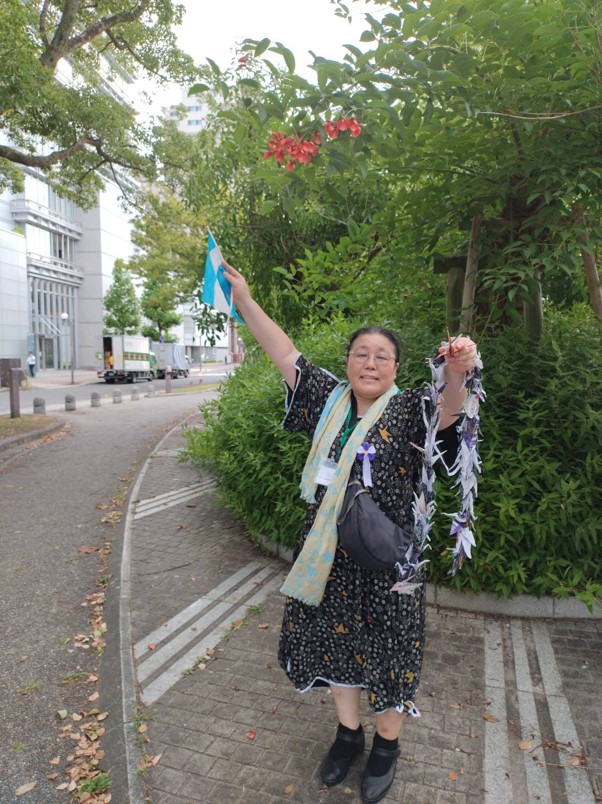
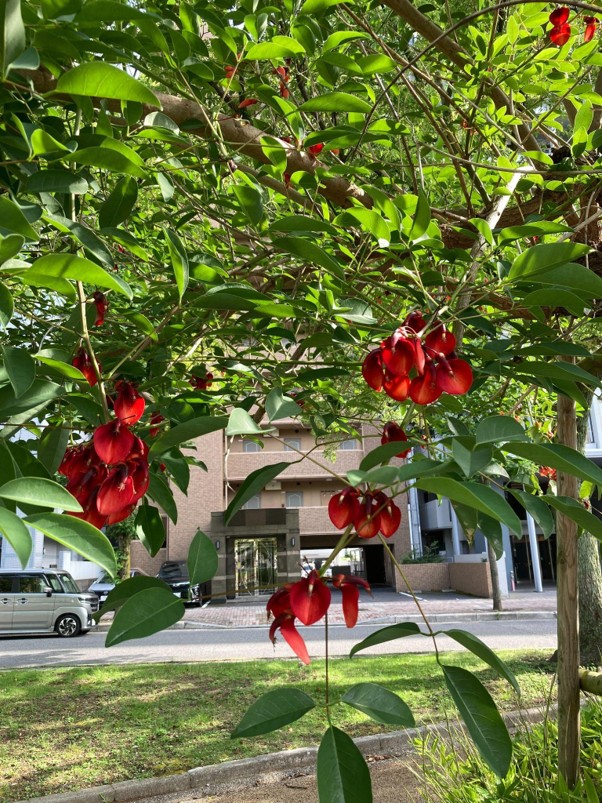
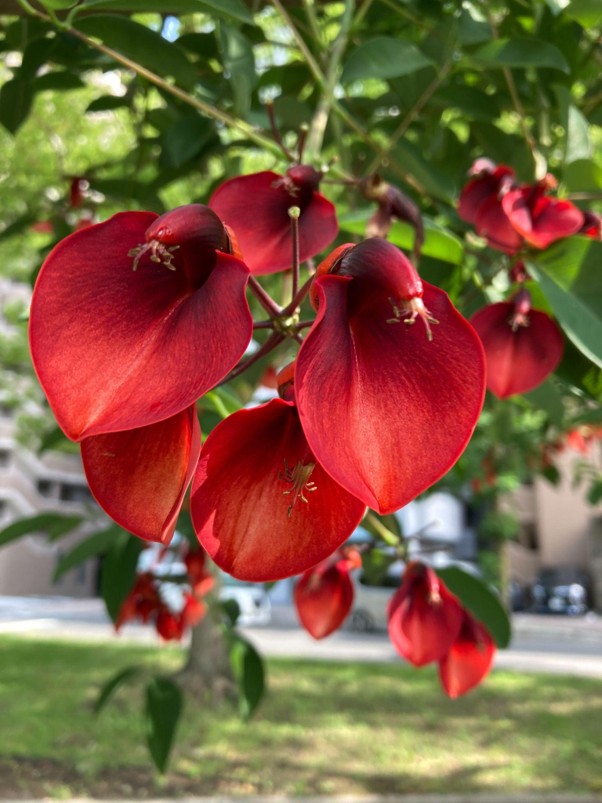
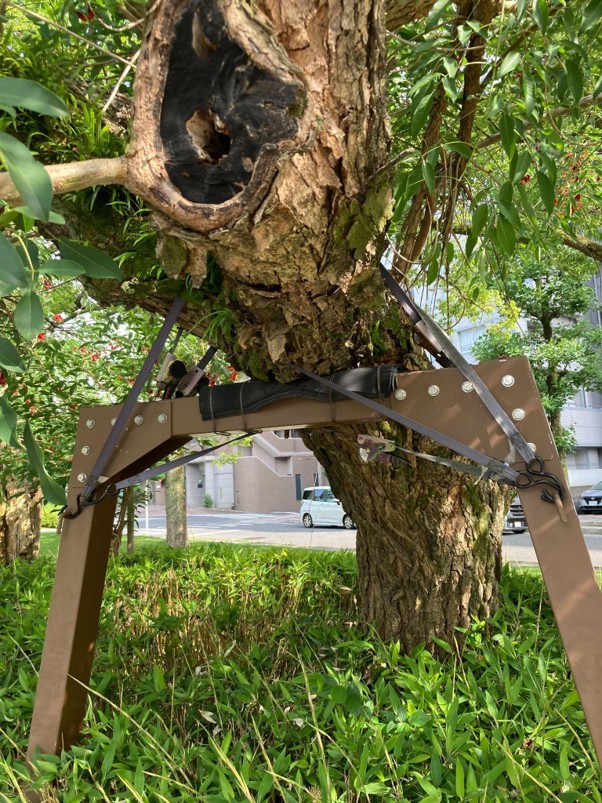
The award-winning work investigates the origin of the ceibo, the national flower of Argentina, known in Japanese as “Amerika Deigo,” which blooms on Peace Boulevard in the city of Hiroshima. The research began with a record stating that the trees had been donated in 1953 by Evita, the First Lady of Argentina. However, since Eva Perón passed away in 1952, the author examined microfilms of the Japanese-Argentine newspaper Akoku Nippo, published between 1945 and 1991, in order to trace historical records concerning the actual donor and the date of the donation, which took place on October 2, 1951.
According to the evaluation of the competition, the work was highly regarded for its contribution to reflection on peace and migration through the use of a documentary source from the Japanese community in Argentina. For this reason, it was selected for the First Prize in the Essay and Criticism category.
During the lecture, Aikawa explained the connection between the ceibo on Peace Boulevard and the postwar reconstruction of Hiroshima, as well as its relationship with the Japanese community in Argentina, the records preserved in the Japanese-Argentine press, and the memory of migrants. She also referred to the reasons that led her to write the work in 2025, the year that marked the 80th anniversary of the atomic bombings of Hiroshima and Nagasaki.
The presentation provided an opportunity to examine the relationship between Hiroshima and Argentina through concrete documents and examples, including the Akoku Nippo newspaper, records related to Japanese migration, and the presence of the ceibo on Peace Boulevard. The seminar was regarded as an opportunity to reflect on the transmission of memory, international understanding, and the formation of a culture of peace through the history of Japanese overseas migration. Several participants also expressed their interest in visiting Hiroshima to see the red flowers of Peace Boulevard in person.
Approximately 85 people participated in the online event. Attendees joined from Latin American countries such as Argentina, Brazil, and Bolivia, as well as from various regions of Japan, from Hokkaido to Kagoshima. Participants also included people involved in peace-related activities, people originally from Hiroshima, and residents of the city.
The activity took place in a particularly significant year, as 2026 marks the 140th anniversary of Japanese immigration to Argentina. In this context, Aikawa stated that one of her future goals is to continue researching, through this type of historical source, how records and memories related to the atomic bombing can and should be transmitted to future generations.